
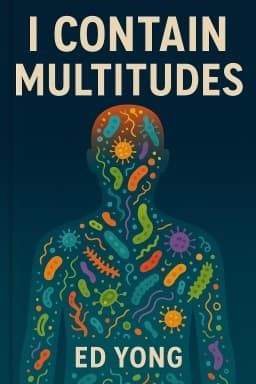
Healing from Within: How Embracing Our Microbial Partners is Revolutionizing Medicine
The future of health lies in nurturing the multitudes inside us.

Modern medicine has long viewed microbes primarily as enemies to be eradicated. However, a growing body of evidence reveals that our microbial partners are essential allies in maintaining health and preventing disease.
Antibiotics, while lifesaving, indiscriminately kill microbes, including beneficial ones. This disruption can lead to opportunistic infections like Clostridium difficile and has been implicated in chronic conditions such as allergies, obesity, and autoimmune diseases.
Fecal microbiota transplantation (FMT) has emerged as a breakthrough therapy, restoring healthy microbial communities in patients with recurrent gut infections. Probiotics and prebiotics offer more accessible ways to nurture beneficial microbes, while synthetic biology is paving the way for engineered microbes tailored to treat specific diseases.
These advances reflect a paradigm shift: health is increasingly seen as a property of the human-microbe ecosystem rather than the human alone. Personalized medicine that considers an individual’s microbiome holds promise for more effective and sustainable treatments.
Embracing our microbial selves means adopting lifestyles and medical practices that protect and promote microbial diversity. It also calls for responsible antibiotic use and environmental stewardship, recognizing the interconnectedness of human and planetary health.
The future of medicine lies in collaboration—with the multitudes within us and the microbial world around us.
Want to explore more insights from this book?
Read the full book summary