
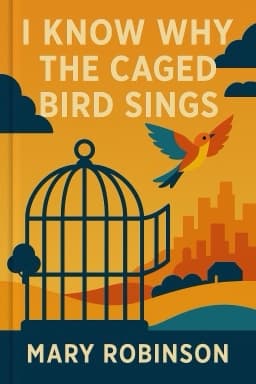
Why 'I Know Why the Caged Bird Sings' Still Shocks and Inspires Generations
The Memoir That Refused to Be Silenced: Its Cultural Impact and Enduring Legacy

The Memoir That Refused to Be Silenced: Its Cultural Impact and Enduring Legacy
When Maya Angelou published her memoir in 1969, she shattered taboos around race, trauma, and womanhood. The book’s unflinching honesty about sexual abuse and systemic racism provoked both outrage and admiration. Decades later, it remains one of the most frequently banned—and most frequently assigned—books in American schools.
Why does this book still matter? First, its powerful depiction of overcoming adversity speaks to readers of all ages and backgrounds. Angelou’s willingness to share her pain—and her triumph—makes every reader feel less alone in their own struggles. Second, the memoir has become a touchstone in the fight for civil rights and social justice, inspiring activists, writers, and everyday people to speak out against injustice.
Educators praise the book for its capacity to foster empathy and critical thinking. At the same time, its frankness about difficult topics has led to challenges and bans. Yet, each attempt to silence the book only underscores its necessity. Angelou’s voice, once silenced by trauma, now rings out for generations, teaching us that telling the truth is a revolutionary act.
Ultimately, 'I Know Why the Caged Bird Sings' is more than a memoir—it’s a movement. It invites us to confront uncomfortable truths, to listen to those who have been silenced, and to find the courage to speak our own truths. Its legacy is one of hope, resilience, and the enduring power of the human spirit.
Whether you are reading the book for the first time or revisiting it years later, its message is clear: our stories matter, and our voices can change the world.
Want to explore more insights from this book?
Read the full book summary