
Unlock Wealth Now: The Shocking Truth About Starting Small and Winning Big
How small consistent actions today can transform your financial future beyond your wildest dreams

Have you ever felt overwhelmed by the flood of financial advice online? From stock picking to budgeting apps, it’s easy to feel stuck and unsure where to begin. The truth is, you don’t need to master every detail or wait for the perfect time. Starting early with small, consistent actions is the most powerful wealth-building strategy available.
Imagine two friends: one begins investing $100 a month at age 25 but stops after 10 years; the other starts at 35 and invests $100 a month for 30 years. Surprisingly, the first friend ends up with more money despite investing for fewer years. This is the magic of compound interest—earning returns on your returns—which accelerates growth exponentially over time.
Compound interest is often called the eighth wonder of the world. Albert Einstein reportedly called it mankind’s greatest invention. The earlier you start, the more time your money has to grow, turning modest contributions into a substantial nest egg.
However, many people fall into the trap of information overload. Endless blogs, podcasts, and financial products create decision paralysis. Rather than becoming experts, they freeze, unable to take action. This paralysis by analysis wastes precious time and opportunity.
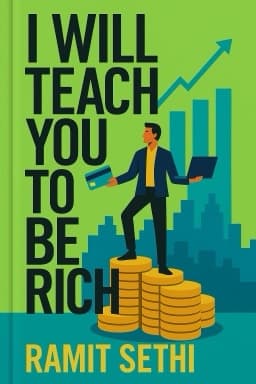
Ramit Sethi’s approach emphasizes the '85 percent solution'—get your system mostly right and move forward. You don’t need perfection; you need momentum. Automate your savings, choose simple investment vehicles like low-cost index funds, and let time do the heavy lifting.
Starting small also reduces stress and guilt. When you begin managing money now, you build confidence and habits that carry forward. Waiting only makes the mountain higher and the journey longer.
In summary, the key to building wealth is to start early, keep it simple, and take consistent action. Don’t wait for perfect knowledge or timing; begin today with what you have.
By embracing this mindset, you set yourself on a path to financial freedom that grows stronger every day.
Sources: 1 , 2 , 3
Want to explore more insights from this book?
Read the full book summary