
The Autism Revolution: How Neurodiversity Is Redefining What It Means to Be Human
Why the Neurodiversity Movement Is Changing Minds, Language, and Lives

Why the Neurodiversity Movement Is Changing Minds, Language, and Lives
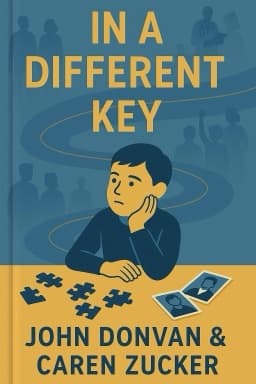
For much of history, autism was seen as a problem to be fixed—a condition to be cured, hidden, or overcome. But as 'In a Different Key' reveals, a revolution has taken place. The neurodiversity movement, led by autistic self-advocates, challenges the very foundations of how we think about difference. Neurodiversity argues that autism is a natural variation of the human mind, not a defect. This shift has profound implications, not just for autistic people, but for society as a whole.
Language is at the heart of this revolution. Self-advocates debate the merits of 'person-first' versus 'identity-first' language, pushing for words that honor their experiences. Social media and community events amplify autistic voices, making it clear: nothing about us, without us.
Inclusion is more than a buzzword—it’s a practice. Schools are adapting to diverse learning styles, employers are rethinking workplace norms, and public spaces are being redesigned for accessibility. The neurodiversity movement insists that everyone benefits from a more inclusive world.
This blog draws on both the book and the latest conversations in the autism community, showing that the revolution is far from over. There are still barriers to break, stories to tell, and minds to change. But the future is bright—and it belongs to all of us.
Join the revolution: listen, learn, and help build a world where every mind is valued. 2 3
Want to explore more insights from this book?
Read the full book summary