
Unmasking the Myths: What 'In a Different Key' Really Teaches Us About Autism
How a Groundbreaking Book Shatters Decades of Misunderstanding

How a Groundbreaking Book Shatters Decades of Misunderstanding
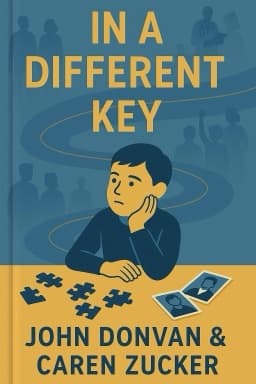
For decades, autism has been shrouded in mystery, fear, and misinformation. 'In a Different Key: The Story of Autism' by John Donvan and Caren Zucker sets out to unravel those layers, exposing the myths that have haunted families and individuals for generations. The book begins with the story of Donald Triplett, the first person diagnosed with autism, living in small-town Mississippi. His story is not one of tragedy, but of curiosity and hope—a theme that recurs throughout the book.
One of the most persistent and damaging myths was the 'refrigerator mother' theory. For years, mothers were blamed for their children's autism, accused of being emotionally frigid and causing their children’s withdrawal. This belief, fueled by prominent psychiatrists and the media, led to immense suffering, isolation, and even the institutionalization of countless children. 'In a Different Key' exposes the cruelty of this era, but also the resilience of parents who refused to accept blame and instead became fierce advocates for their children.
The book also tackles the rise of institutionalization, where autistic children were often sent away, hidden from society, and denied the chance to thrive. But it was the courage of these same families—and later, autistic self-advocates—that began to turn the tide. Legal battles, community organizing, and the hard-won right to education helped bring autistic children home and into the heart of their communities.
Perhaps the most explosive myth covered in the book is the supposed link between vaccines and autism. Sparked by a single fraudulent study, this idea caused global panic, led to falling vaccination rates, and further stigmatized autism. Donvan and Zucker meticulously trace the origins of the controversy, showing how it was debunked by science and challenged by autistic voices and their allies.
What makes 'In a Different Key' so powerful is its insistence on listening to those most affected. The book is filled with first-person accounts, from parents to autistic adults, each adding complexity to the story. Through their voices, readers learn that autism is not a monolith: it is a spectrum of experiences, abilities, and challenges.
Today, the neurodiversity movement is rewriting the narrative. Instead of seeking a cure, advocates call for acceptance, inclusion, and respect for all minds. 'In a Different Key' is both a chronicle of past mistakes and a guide for the future—a reminder that progress is possible when we confront myths with truth and compassion.
This book is essential reading for anyone who wants to understand autism beyond the headlines. It is a testament to the power of families, the importance of self-advocacy, and the ongoing fight for a world where every story is heard and every life is valued. 1 2 3
Want to explore more insights from this book?
Read the full book summary