
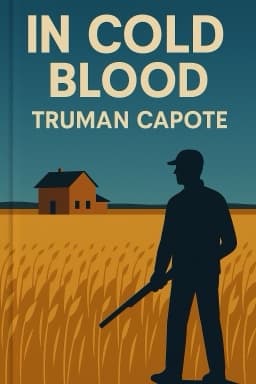
From Crime Scene to Courtroom: The Unfolding of Justice in ‘In Cold Blood’
A Step-by-Step Look at How Law and Community Responded to Tragedy

In the wake of the Clutter family murders, the Kansas Bureau of Investigation launched a determined and methodical search for the perpetrators. Operating in an era before modern forensic technology, investigators relied on keen observation, witness interviews, and painstaking evidence gathering.
The arrest of Perry Smith and Richard Hickock marked the beginning of a legal journey that captivated the nation. The trial was held in a courtroom filled with tension, grief, and the heavy presence of a community seeking justice. The jury, composed of neighbors deeply affected by the tragedy, faced the difficult task of weighing evidence against raw emotion.
Legal arguments explored the defendants’ mental states, the premeditation of the crime, and the appropriate punishment. The case highlighted the delicate balance between law and morality, as well as the influence of public opinion on judicial outcomes.
Through this process, the story reveals the human side of justice—the hopes for closure, the pain of loss, and the challenges of ensuring fairness in the face of horror.
Follow this gripping narrative as we trace the path from crime scene to verdict, uncovering the layers of legal and human complexity that define this landmark case.
Want to explore more insights from this book?
Read the full book summary