
Inside Slow Cities: How Urban Life Can Be Transformed for Peace and Connection
From traffic jams to tranquil town squares: the inspiring story of cities that chose to slow down.

Urban environments, while vibrant, often carry the weight of noise, congestion, and hurried lives. The Slow Cities movement reimagines these spaces as sanctuaries of calm, community, and sustainability.
Originating in Italy, Slow Cities now span the globe, with over 60 towns committed to reducing traffic, supporting local businesses, and enhancing residents' well-being. These cities prioritize pedestrian zones, green parks, community gardens, and cultural events that invite lingering and connection.
Traffic congestion is a major source of urban stress and pollution, contributing to respiratory problems and mental fatigue. By calming traffic and encouraging walking and cycling, Slow Cities reclaim the streets for people.
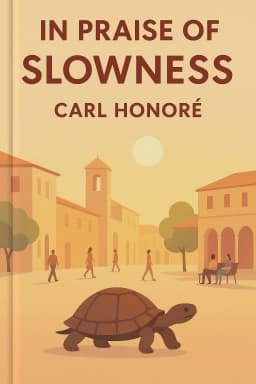
Community spaces become vibrant hubs where neighbors meet, children play safely, and traditions thrive. Imagine a cobblestone square bathed in warm sunlight, where street musicians play and markets bustle with local crafts and produce.
Transforming cities requires political will and citizen engagement, but the rewards are profound: healthier residents, stronger social bonds, and a more sustainable future.
This blog will take you inside Slow Cities’ inspiring examples and offer ways to bring their principles to your own urban experience.
Want to explore more insights from this book?
Read the full book summary