
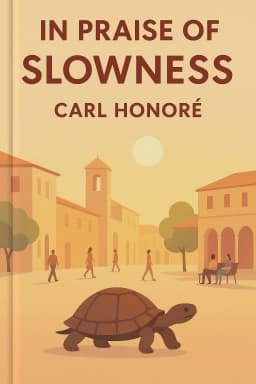
Slow Food, Fast Life: Why Eating Slowly Could Be the Healthiest Choice You Make
How slowing down at mealtime boosts your health, happiness, and connection to the planet.

Food is life’s great connector, yet in our rush, it often becomes mere fuel. The Slow Food movement challenges this by inviting us to savor every bite, reconnect with nature, and honor culinary heritage.
Fast food and microwave meals revolutionized convenience but at a cost: nutritional decline, loss of tradition, and fractured social rituals. The first TV dinner in 1954 paved the way for eating alone and quickly, a trend linked to rising health issues.
Slow Food began as a grassroots campaign to protect regional foods and farming practices. It champions fresh, local, and seasonal ingredients, supporting biodiversity and ecological balance. Farmers' markets have blossomed worldwide, reconnecting consumers with producers and offering vibrant, healthy choices.
Eating slowly has measurable benefits: it improves digestion, helps regulate appetite, and fosters mindful awareness. Meals become opportunities for social connection, storytelling, and joy.
Imagine a rustic table laden with colorful vegetables, artisanal bread, and wine, where family and friends linger over conversation and laughter. This is the essence of slow dining—nourishment for body and soul.
This blog will guide you through the science and spirit of slow eating, inspiring you to transform your meals into moments of healing and celebration.
Want to explore more insights from this book?
Read the full book summary