
The Slow Movement Revolution: How Slowing Down Can Change Your Life
From slow food to slow cities, explore the global movement transforming how we live, work, and connect.

What if the secret to a richer, more meaningful life was simply to slow down? The Slow Movement invites us to reconsider our relationship with time and speed, offering a gentle rebellion against the relentless rush that defines modern existence.
Born from a protest against a fast-food chain opening near Rome’s historic Spanish Steps, the Slow Food movement sparked a worldwide call to savor food, culture, and life at a natural pace. It champions fresh, local, and seasonal ingredients, preserving culinary traditions and biodiversity.
At the heart of the movement lies the concept of 'Eigenzeit'—personal or own time—a reminder that every individual and process has its natural rhythm. This idea extends beyond food to urban design, education, and personal well-being.
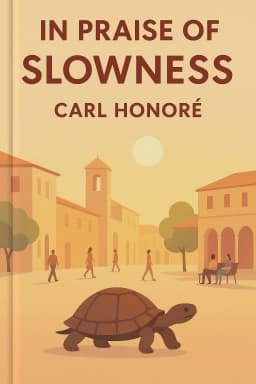
Slow Cities, a growing network of over 60 towns globally, embody this philosophy by prioritizing pedestrian-friendly streets, green spaces, local commerce, and cultural preservation. Imagine walking through a sun-dappled cobblestone square where neighbors greet each other, children play freely, and the pace invites lingering and connection.
Slowness also nurtures creativity and health. By embracing the right tempo, we reduce stress, deepen relationships, and reconnect with the environment. It’s not about rejecting speed entirely but about discerning when to accelerate and when to pause.
This blog will explore the many faces of the Slow Movement, inspiring you to find your own tempo giusto—the right speed—and live with greater presence and joy.
Want to explore more insights from this book?
Read the full book summary