
How Walking Supercharges Creativity (And Why Great Minds Swear By It)
The Secret Ritual That Fueled History’s Greatest Thinkers

The Secret Ritual That Fueled History’s Greatest Thinkers
Ever wonder why some of the most creative minds in history were avid walkers? From Aristotle’s legendary strolls in the Lyceum to Darwin’s daily walks around his sandwalk, walking has long been the secret ritual of artists, writers, and innovators. But why does walking spark creativity?
The Neuroscience of Inspiration
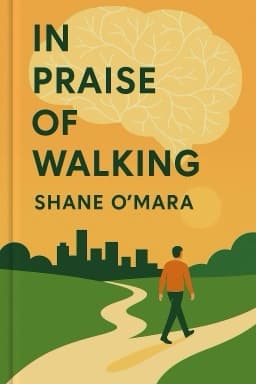
Walking engages both hemispheres of the brain and enhances the flow of ideas. The gentle rhythm of steps, combined with changing scenery, encourages divergent thinking—the ability to generate new ideas and make unexpected connections. Studies reveal that people are up to 60% more creative after a walk than after sitting still.
Walking as a Creative Habit
Virginia Woolf, William Wordsworth, and Steve Jobs all found that walking helped them think more clearly and creatively. The act of moving through space, free from distractions, allows the mind to wander and explore possibilities. Many breakthroughs in literature, science, and technology have come during or after a walk.
Practical Tips for Creative Walks
- Leave your phone behind to minimize distractions.
- Walk in nature or new environments to stimulate fresh perspectives.
- Try walking with a creative partner and brainstorming as you move.
- Carry a small notebook or use a voice recorder to capture ideas.
Whether you’re facing writer’s block or searching for your next big idea, try taking a walk. The path to creativity might be just a few steps away.
References: Medium, Davenport Library
Want to explore more insights from this book?
Read the full book summary