
Why Walking Is the Ultimate Brain Hack (And How It Can Transform Your Life)
Unlocking the Hidden Superpowers of Walking for Mind, Body, and Spirit

Unlocking the Hidden Superpowers of Walking for Mind, Body, and Spirit
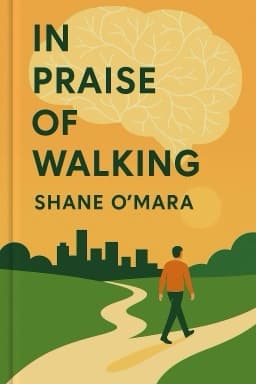
Imagine if there were a magic pill that could boost your mood, sharpen your mind, lengthen your life, and make you more creative. What if this pill was free, had no side effects, and was available to almost everyone? The answer is so simple, it’s almost laughable: walking. Yes, the humble act of putting one foot in front of the other is one of the most powerful tools for health, happiness, and human connection. In this deep dive, we’ll explore why walking is the ultimate brain hack, revealing insights from Shane O’Mara’s groundbreaking book, 'In Praise of Walking,' and the latest scientific research.
Walking: Our Evolutionary Superpower
Humans are born to walk. Our upright gait is the result of millions of years of evolution, freeing our hands for creativity and our minds for exploration. The genes that enable us to walk first evolved in ancient fish, and every time we take a step, we echo a journey that began long before humans even existed. Walking enabled our ancestors to leave Africa, populate the globe, and build civilizations. This evolutionary advantage is hardwired into our brains, making walking not just a physical act, but a cognitive one.
The Brain on Walking: Neuroplasticity in Motion
But walking isn’t just about moving the body—it's about moving the mind. Neuroscientists have discovered that walking increases the production of brain-derived neurotrophic factor (BDNF), a molecule that acts like fertilizer for your neurons. Regular walking can actually increase the volume of your hippocampus, the brain’s memory center, reversing age-related shrinkage and boosting memory and learning. In fact, studies show that older adults who walk regularly can 'rejuvenate' their brains by up to two years. This is why walking has been linked to lower rates of dementia, sharper thinking, and greater emotional resilience.
Walking as Medicine: Healing the Heart and Body
The benefits of walking go far beyond the brain. Regular walkers enjoy lower blood pressure, healthier cholesterol levels, reduced inflammation, and a dramatically lower risk of heart disease. In the Amazon, the Tsimane people—who walk for hours every day—have arteries that are decades younger than their Western counterparts. Doctors are now prescribing walking as a treatment for everything from depression to diabetes, recognizing that movement is the closest thing we have to a universal cure.
Creativity and Connection: The Social Power of Walking
Some of history’s greatest thinkers—Aristotle, Darwin, Virginia Woolf—were avid walkers. The rhythm of walking frees the mind, sparks creativity, and helps solve problems. Walking in groups, whether for protest or pleasure, builds community and drives social change. Cities designed for walking are healthier, happier, and more connected. Urban planners are reimagining neighborhoods with green corridors and car-free zones, making walking a central part of daily life.
The Inner GPS: Walking, Memory, and Navigation
Every step we take is a journey through memory and imagination. Place cells and grid cells in the hippocampus create mental maps of our environment, allowing us to navigate even without sight. Walking activates theta rhythms in the brain, strengthening memory and imagination. Blind individuals can form complex cognitive maps and navigate new environments, demonstrating that walking is a multisensory, deeply cognitive act.
Walking for Life: Aging, Resilience, and Longevity
It’s never too late to start walking. Even older adults who begin walking later in life experience major health gains, from reduced disease risk to improved brain health. Walking with others boosts mental well-being, combats loneliness, and builds resilience. The simple act of walking becomes a daily meditation, a celebration of life’s journey from childhood to old age.
Every Step a Celebration: The Joy and Future of Walking
Walking is a universal language that unites cultures, generations, and communities. It boosts hope, fosters optimism, and offers a path to a better world. As cities become more walkable, and as more people rediscover the joys of movement, walking is poised to become the foundation of a healthier, more connected future. So take a step outside—your brain, body, and spirit will thank you.
References: Medium, Davenport Library, Outside Online
Want to explore more insights from this book?
Read the full book summary