
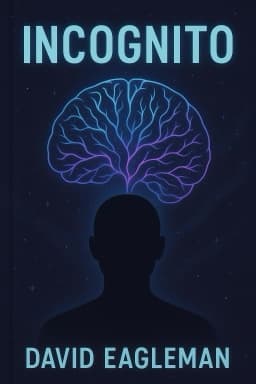
The Brain’s Secret Coach: How Consciousness Trains Your Inner Robot for Mastery
Discover how your conscious mind teaches your unconscious brain to perform feats effortlessly.

Picture a young athlete on the tennis court, her mind flooded with instructions. At first, every swing requires intense focus. But after countless repetitions, the movements become smooth, automatic, and effortless.
Consciousness plays the role of coach, setting goals and monitoring feedback during learning. Procedural memory stores these skills, allowing rapid and energy-efficient execution without conscious effort. However, when consciousness interferes too much—like a golfer obsessing over each stroke—the flow breaks down, and performance suffers.
Energy efficiency drives this automatization. The brain conserves resources by delegating frequent tasks to unconscious circuits, enabling quick responses and multitasking. Experts use less brain energy than novices, reflecting streamlined neural pathways.
Understanding this process helps you optimize learning, avoid choking under pressure, and appreciate the partnership between conscious intention and unconscious execution.
Harnessing your brain’s secret coach unlocks your potential for mastery in any skill.
Want to explore more insights from this book?
Read the full book summary