
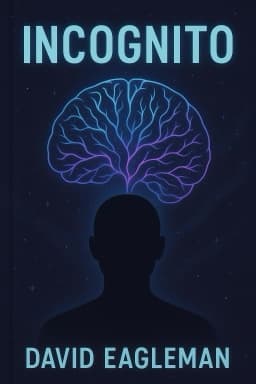
Why You Can't Trust Your Eyes: The Mind-Bending Secrets of Human Perception
Explore how your brain tricks you daily and why seeing is not always believing.

Have you ever looked at an optical illusion and marveled at how easily your eyes deceive you? Or failed to notice a friend’s haircut change right before your eyes? These experiences highlight a profound truth:
Our eyes capture only a fraction of the visual information available. Peripheral vision is blurrier than you realize, akin to looking through frosted glass. The brain compensates by filling in details, creating a seamless scene. This is why you never notice the blind spot in your retina—your brain invents the missing information based on surrounding patterns.
Change blindness is another striking example. Large alterations in a scene can go unnoticed when your attention is elsewhere. Imagine watching a movie where characters swap places, or objects vanish, yet you remain oblivious. This selective attention reveals that the brain processes only what it deems important.
Visual illusions like the flipping Necker cube or the face-vase image show how your brain toggles between interpretations, highlighting perception’s interpretive nature. Your brain constantly predicts sensory input, comparing it with reality and correcting errors to maintain stability.
Interestingly, the brain can even create sensory experiences from other modalities. Blind individuals can learn to 'see' through tactile devices, demonstrating the brain’s remarkable plasticity and the constructed nature of perception.
Understanding these perceptual quirks encourages skepticism of our senses and invites curiosity about the brain’s creative role. The world we experience is a best guess, shaped by evolution and necessity, not an exact replica of reality.
By embracing this perspective, you gain insight into how your mind works and how to navigate a world full of illusions and surprises.
Want to explore more insights from this book?
Read the full book summary