
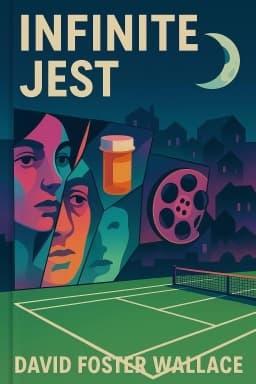
Infinite Jest’s Legacy: How One Book Changed Literature Forever
From cult classic to literary milestone—why Infinite Jest still matters.

When Infinite Jest hit shelves in 1996, it divided critics and readers alike. Some hailed it as a masterpiece; others found it maddening. But over the years, it has become a defining work of postmodern literature, influencing everything from novels to TV shows and internet culture.
A New Kind of Sincerity
Wallace’s blend of irony and sincerity helped move fiction beyond the cold detachment of earlier postmodernism. His characters are flawed, funny, and heartbreakingly human, making the novel both challenging and deeply moving. 4
Influence on Writers and Media
Infinite Jest inspired a generation of writers to experiment with structure, voice, and theme. Its fingerprints can be seen in the work of authors like Zadie Smith and Jonathan Franzen, as well as in the rise of complex, character-driven TV dramas. 1
A Cult Following
Fan communities, reading groups, and academic conferences continue to thrive, keeping the conversation alive. The book’s complexity and openness to interpretation have made it a favorite for deep readers and thinkers.
Debate and Controversy
Not everyone loves Infinite Jest, and that’s part of its power. The debates about its meaning, structure, and message are as much a part of its legacy as the text itself. 3
Nearly three decades later, Infinite Jest remains a milestone—a book that changed not just literature, but the way we read, discuss, and connect through stories.
Want to explore more insights from this book?
Read the full book summary