
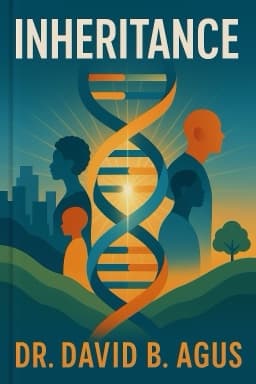
Unlocking Your Genetic Secrets: How Epigenetics is Rewriting Your Destiny
Discover the hidden power of epigenetics and how your lifestyle can change your genes for better health.

Imagine your DNA not as a rigid blueprint etched in stone but as a living, breathing manuscript that can be edited by your experiences, diet, and environment.
Epigenetics involves chemical modifications such as DNA methylation and histone modification that regulate gene expression without altering the underlying genetic code. These modifications act like annotations in a book, guiding cells on which genes to read and which to silence. For example, royal jelly fed to bee larvae silences certain genes, transforming them into queens despite identical DNA sequences. This remarkable phenomenon illustrates how environmental factors can dramatically change biological outcomes.
Similarly, studies in mice show that early life trauma leaves epigenetic marks that are passed down to offspring, affecting stress responses and behavior. Human research supports these findings, indicating that the experiences of ancestors—such as famine or war—can leave lasting biological legacies in descendants.
Understanding this epigenetic landscape empowers us with a hopeful message: our genes are not our fate. By adopting healthy diets rich in methyl donors like folic acid, managing stress, and engaging in regular exercise, we can positively influence gene expression and reduce disease risk. Moreover, this knowledge paves the way for personalized medicine approaches that tailor prevention and treatment to individual genetic and epigenetic profiles.
As we continue to decode the language of our genome, epigenetics stands at the frontier, bridging nature and nurture in a dance of biological possibility. Embracing this insight invites us to take ownership of our genetic destiny and the legacy we leave behind.
Next, we will explore how this genetic flexibility is revolutionizing personalized nutrition and medicine, offering tailored pathways to health.
Want to explore more insights from this book?
Read the full book summary