
From Fear to Fascination: Overcoming Math Anxiety and Embracing Numeracy
How to break free from math fear and unlock your numerical potential.

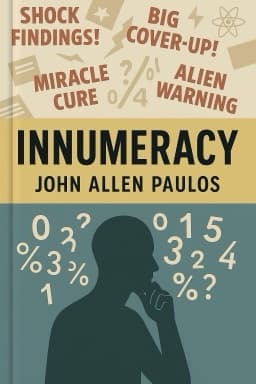
For many, math conjures memories of frustration, confusion, and fear. This emotional response, known as math anxiety, creates a psychological barrier that inhibits learning and engagement. John Allen Paulos’ 'Innumeracy' sheds light on how this fear, combined with poor educational practices and cultural misconceptions, perpetuates innumeracy.
Traditional math education often emphasizes rote memorization and abstract procedures without connecting to real-world contexts. This approach leaves students unable to apply math meaningfully, fostering disengagement. Additionally, cultural narratives portray math as cold, rigid, and accessible only to the 'gifted,' discouraging many from trying.
Breaking this cycle requires a shift in teaching methods and mindset. Incorporating estimation, problem-solving, and practical applications helps students see the relevance of math. Encouraging a growth mindset—the belief that ability improves with effort—can reduce anxiety and build confidence.
Moreover, recognizing math as a creative and playful discipline invites curiosity rather than fear. By reshaping cultural attitudes and providing supportive learning environments, we can empower individuals to embrace numeracy.
Overcoming innumeracy is a journey from fear to fascination, unlocking potential and opening doors to informed decision-making in everyday life.
References: Concepts inspired by John Allen Paulos’ 'Innumeracy' and educational insights from NewBookRecommendation.com, Sobrief.com, Bookey.app, and Complete-Review.com 1 2 3 4
Want to explore more insights from this book?
Read the full book summary