
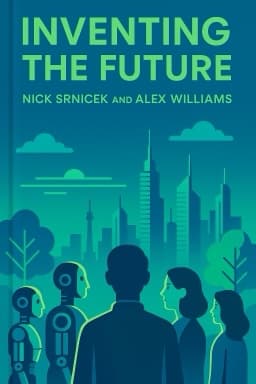
Reclaiming Modernity: The Left’s Blueprint for Universal Emancipation
Why the left must embrace progress and universal ideals to build a better future

Modernity is often misunderstood as a fixed historical epoch, yet it is better seen as an ongoing project—a dynamic set of ideals centered on progress, reason, and universal emancipation. For the left, reclaiming modernity means embracing these ideals as contested terrain where new visions of freedom and solidarity can be forged.
Critiques of universalism rightly point to its Eurocentric and homogenizing tendencies. However, abandoning universalism altogether risks fragmentation and parochialism. A pluralistic universalism recognizes difference while fostering solidarity across diverse identities and struggles.
The concept of synthetic freedom expands traditional notions of liberty beyond formal rights to include material capacities and collective empowerment. It emphasizes the social and technological infrastructures necessary for genuine autonomy and flourishing.
Reclaiming modernity also involves contesting neoliberal narratives that reduce progress to market efficiency and individual competition. Instead, the left must articulate a vision of modernization rooted in justice, inclusion, and sustainability.
This philosophical foundation provides the compass for navigating contemporary challenges and inventing a future that transcends the limitations of the present.
References: Srnicek & Williams, Inventing the Future; EdRooksby review; SoBrief insights
Want to explore more insights from this book?
Read the full book summary