
ESG Investing: The Surprising Link Between Purpose and Profit
How environmental, social, and governance factors are rewriting the rules of investing—and why you can’t afford to ignore them.

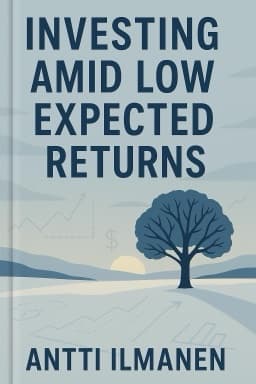
Not long ago, ESG investing was dismissed as a feel-good fad. Today, it’s a force reshaping global finance. Investing Amid Low Expected Returns and a growing body of research show that integrating environmental, social, and governance (ESG) factors is about more than ethics—it’s about building resilient, future-proof portfolios. Companies with strong ESG practices often enjoy lower costs of capital, greater customer loyalty, and better performance during crises. 2
Regulations are also pushing the trend, with mandatory ESG disclosures becoming the norm in Europe and beyond. For investors, this means more data, better transparency, and a need to rethink what risk really means. ESG is not a one-size-fits-all approach—some investors focus on exclusion, others on engagement—but the common thread is a recognition that the world is changing, and so must our investment strategies.
Despite lingering myths, evidence increasingly shows that ESG can enhance—not detract from—returns, especially by mitigating long-term risks. The challenge is to separate genuine ESG integration from greenwashing, and to find strategies that align with both your values and your financial goals. Practical steps include reviewing ESG ratings, engaging with fund managers about their processes, and staying informed about regulatory trends.
Whether you’re a die-hard ESG advocate or just starting to explore the space, one thing is clear: the future of investing will be shaped by those who understand the link between purpose and profit. Don’t get left behind.
Want to explore more insights from this book?
Read the full book summary