
Why Your Medicine, Car, and Office Are Not Made for You (If You’re a Woman)
The Shocking Truth About Everyday Risks Women Face—And How Data Can Save Lives

The Shocking Truth About Everyday Risks Women Face—And How Data Can Save Lives
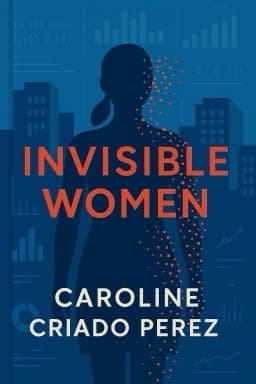
Imagine taking a drug that was never tested on someone like you, driving a car that’s less safe because of your body type, or shivering in an office because the thermostat is set for someone else’s metabolism. For millions of women, this isn’t a thought experiment—it’s daily reality. Caroline Criado Perez’s ‘Invisible Women’ exposes the hidden dangers of a world built for men, by men, and with men as the default.
Let’s start with medicine. For decades, women were excluded from clinical trials due to fears about hormonal cycles and pregnancy risks. The result? Drugs are often dosed for male bodies, leading to dangerous side effects or reduced effectiveness for women. Heart attacks are a classic example: women’s symptoms are different, and often go unrecognized by doctors trained on male-centric data.
Cars are no safer. Crash test dummies are modeled on the ‘average male,’ so seatbelts, airbags, and other safety features are calibrated for male height and weight. Women are much more likely to be injured or killed in car accidents—even when they’re wearing seatbelts.
Even the office isn’t neutral. The ‘ideal’ office temperature is based on the metabolic rate of a 40-year-old man, leaving women freezing and uncomfortable. These seemingly small details add up to real disadvantages in comfort, productivity, and health.
The solution? Demand better data. Researchers are starting to include more women in clinical trials, car manufacturers are developing female crash test dummies, and some companies are rethinking office design. But change is slow, and awareness is key. ‘Invisible Women’ is a clarion call for everyone—women and men alike—to insist on a world where data includes us all. 1 3
Want to explore more insights from this book?
Read the full book summary