
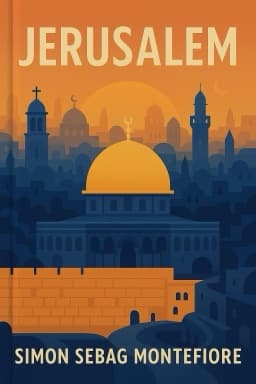
Jerusalem’s Secret: How a City Divided by Conflict Became a Beacon of Hope
From Barbed Wire to Olive Branches: The Modern Struggle for Jerusalem’s Soul

From Barbed Wire to Olive Branches: The Modern Struggle for Jerusalem’s Soul
In the heart of the Middle East, Jerusalem stands as both a symbol of conflict and a beacon of hope. In the 20th century, the city saw the end of Ottoman rule, the arrival of British officers, and the great migrations that followed. The 1948 war split Jerusalem in two, dividing neighbors and families with barbed wire and barricades. Yet, even in the darkest days, life went on—children played in alleys, prayers rose at dawn, and hope never died.
In 1967, the Six-Day War brought the city under one flag, but unity proved elusive. Jerusalem became a symbol of both triumph and tragedy, a place where peace always seemed just out of reach. Yet, in its winding streets, Jews, Muslims, Christians, Armenians, and others live side by side, sharing festivals and friendships. The city’s markets are a mosaic of languages and cultures, each adding its own flavor to the city’s life.
Some visitors are so overwhelmed by Jerusalem’s spirit that they experience the 'Jerusalem Syndrome,' convinced they are biblical figures or have a divine mission. Others are moved to work for peace, planting olive trees, building schools, and dreaming of a day when the city’s gates will open to all. Jerusalem’s story is not just one of division, but of resilience and hope—a lesson for us all.
Want to explore more insights from this book?
Read the full book summary