
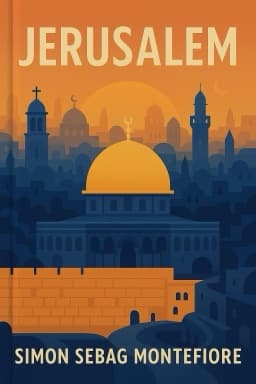
Jerusalem: The City That Changed the World (And Still Does!)
Discover the Untold Origins and Myths That Made Jerusalem the Heart of Three Faiths

Discover the Untold Origins and Myths That Made Jerusalem the Heart of Three Faiths
Imagine standing atop a sun-warmed hill, the air tinged with wild thyme and olive trees, as dawn breaks over a land that is both ancient and ever-renewing. This is the story of Jerusalem’s birth: a place whose stones remember the footsteps of forgotten peoples and whose springs once drew the earliest settlers to its rocky embrace. Long before prophets, kings, or conquerors, Jerusalem was a humble Canaanite village. Archaeological digs reveal tombs and walls from the early Bronze Age, showing that people have called these hills home for over 5,000 years. Their lives revolved around the Gihon Spring, a natural marvel that made survival possible in an otherwise arid landscape.
But what truly set Jerusalem apart was not just its geography, but its myths. The city’s earliest stories speak of priest-kings like Melchizedek and encounters with patriarchs like Abraham. Each legend added a new layer of meaning, transforming Jerusalem into a place where heaven and earth seemed to meet. The city’s many names—Salem, Jebus, Zion—each tell a story of conquest, faith, and longing. As centuries flowed, new stories layered upon the old, and the city’s sacred status grew. Today, archaeologists continue to unearth fragments—pottery, bones, ancient seals—that whisper of Jerusalem’s first inhabitants and their dreams.
Jerusalem’s holiness predates organized religion. Its earliest shrines were raised not for any one god, but for the very spirit of place. The mysteries of water and earth intertwined here, inspiring awe and reverence. When Abraham journeyed through these hills and met Melchizedek, the enigmatic priest-king, their fleeting encounter would ripple through millennia, making Jerusalem a beacon for all who sought the divine. The city’s geography—remote from trade routes yet perched between worlds—made it a crossroads of faith and fortune.
What makes Jerusalem truly unique is its power to inspire. Every stone tells a story, every spring a miracle. The layering of myth, memory, and material forms the bedrock of Jerusalem’s identity. Even today, as scientists and spiritual seekers alike walk its ancient streets, they feel the pull of something timeless. Jerusalem is not just a city—it is a symbol of humanity’s longing for the sacred, a place where the search for meaning never ends.
So next time you hear the name Jerusalem, remember: you’re not just hearing about a place, but about the birthplace of faith, hope, and the enduring human spirit. What secrets still lie buried beneath its stones? What new stories will the next generation uncover? The journey is far from over.
Want to explore more insights from this book?
Read the full book summary