
The Color Revolution: How Bright Hues Can Change Your Mood Instantly
Unlock the Energy of the Rainbow in Every Room

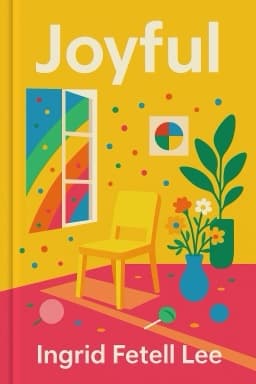
If you’ve ever felt your heart leap at the sight of a rainbow, you already know the power of color. Ingrid Fetell Lee’s Joyful and a wealth of scientific research reveal that color isn’t just decoration—it’s a potent tool for shaping our emotions, energy, and even our health.
Why We Love Color: The Science
Humans evolved to notice and seek out bright colors—ripe fruit, healthy plants, and safe environments. Our brains are hardwired to associate saturated hues with abundance and safety. That’s why a splash of color can instantly lift our spirits, while a gray, monotone space can leave us feeling drained.
Choosing Your Palette: What Colors Do for You
- Yellow: Boosts optimism and energy. Perfect for kitchens and entryways.
- Blue: Soothes and calms. Ideal for bedrooms and bathrooms.
- Green: Restores and refreshes. Great for living rooms and offices.
- Pinks & Reds: Stimulate passion and excitement. Use as accents in social spaces.
Real-World Color Transformations
Cities around the world have used color to revitalize neighborhoods, reduce crime, and foster community pride. Schools painted in bright hues see increased attendance and happier students. Even a single colorful mural can turn a neglected alley into a beloved landmark.
Tips for Adding Color
- Start small with pillows, art, or a single accent wall.
- Layer colors for depth and interest.
- Don’t be afraid to mix bold hues—joy loves company!
Conclusion
Color is more than a trend—it’s a revolution in how we experience our world. Try adding a splash of joy to your space and see how quickly your mood shifts. As Lee writes, “Color is life; for a world without colors appears to us as dead.” Want to explore more insights from this book?
Inspired by