
The Secret Science of Joy: What Psychologists and Designers Want You to Know
Unlock the Research-Backed Secrets to a Happier Life—One Design Choice at a Time

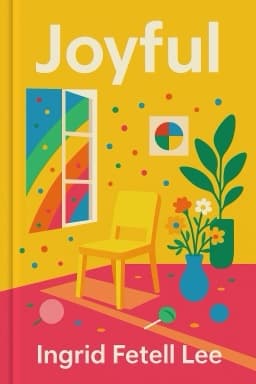
Why does a sunny room make us feel alive? Why do we smile at balloons or linger in colorful parks? The answer lies in the science of joy—a field where psychology, neuroscience, and design meet. Ingrid Fetell Lee’s Joyful and a wealth of research reveal that our environment shapes us in surprising ways, often at a subconscious level.
How Our Brains Respond to Joyful Design
Bright colors trigger the release of dopamine, the “feel-good” neurotransmitter. Natural light regulates our circadian rhythms, improving sleep and boosting mood. Playful shapes and abundance signal safety and opportunity, while harmonious spaces help our brains relax and recover from stress.
The Ripple Effect: Joy in Communities
When cities invest in public art, playful parks, and colorful buildings, crime drops and community pride rises. Schools with vibrant classrooms see better attendance and happier students. Joy is contagious—one joyful space can inspire a whole neighborhood.
Practical Takeaways
- Notice how your environment makes you feel—and make small changes as needed.
- Experiment with color, light, and playful objects to boost your mood.
- Share joy: invite friends and neighbors to co-create joyful spaces.
Conclusion
The science is clear: joy isn’t just a feeling—it’s a design principle. Use it, and watch your life transform. Want to explore more insights from this book?
Inspired by