
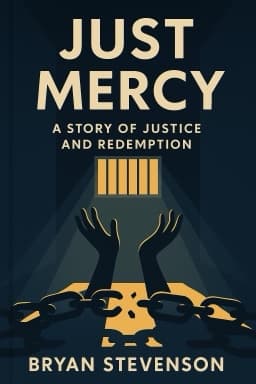
How ‘Just Mercy’ Exposes America’s Hidden Injustice — And What You Didn’t Know About Death Row
Unveil the lesser-known realities of death row and systemic injustice as portrayed in Bryan Stevenson’s groundbreaking book.

Behind the walls of America’s prisons lies a reality that few dare to confront. Bryan Stevenson’s Just Mercy brings these hidden truths to light, revealing a system fraught with racial bias, cruelty, and profound injustice.
The book exposes how death row inmates endure extreme isolation, harsh physical conditions, and psychological torment. The infamous 'Yellow Mama' electric chair symbolizes the ever-present threat of execution, a grim reminder of the system’s ultimate power over life and death. Yet, these conditions are only part of the story.
Judicial overrides allow judges to impose death sentences even when juries recommend life imprisonment, often influenced by political considerations. All-white juries continue to be a problem, undermining fair trials for black defendants. These practices are not relics of the past but ongoing realities.
The collateral damage extends to families and communities, with disenfranchisement affecting political representation and children suffering trauma from parental incarceration. Juveniles sentenced as adults face harsh punishments without regard for their developmental stage, a practice increasingly challenged by neuroscience.
Despite these grim realities, Just Mercy is also a story of resilience. Legal victories through DNA evidence and compassionate advocacy show that the system can change. The book calls on readers to confront uncomfortable truths and join the fight for justice and mercy.
For those seeking to understand the American justice system's complexities and advocate for meaningful reform, this book is an indispensable guide.
Want to explore more insights from this book?
Read the full book summary