
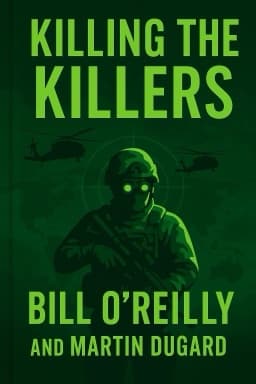
Inside the Shadows: Untold Stories of the War on Terror
Revealing the Human Drama and Secret Missions That Shaped a Generation

The story of the war on terror is a tapestry woven from countless threads—some visible, many hidden, all deeply human. In the aftermath of September 11th, the world’s most powerful nations embarked on a campaign that would reshape politics, technology, and personal lives. But what really happened in the shadows, behind closed doors and in the hearts of those who fought and suffered?
It began with intelligence—quiet, relentless, and obsessive. In secret compounds, elite teams like SEAL Team 6 rehearsed for months inside life-sized replicas of their targets. Every movement, every shadow, every door was memorized until the mission became a dance of precision and trust. These operators were not just soldiers; they were chess players, strategists, and, above all, human beings carrying the weight of the world on their shoulders.
But the war’s cost was not measured only in victories. In the deserts and hidden cells, hostages like journalists and aid workers faced the unimaginable. Their stories—filled with longing, hope, and dignity—remind us that every statistic is a life, every headline a family’s heartbreak. Families at home faced impossible choices: break the law to pay ransom and risk prosecution, or trust in a rescue that might never come. The moral dilemmas were as fierce as any firefight.
Then came the rise of ISIS. Unlike any group before, ISIS seized territory the size of Great Britain, governed millions, and used slick social media campaigns to recruit from over 80 countries. Their digital jihad changed the rules, making propaganda as dangerous as bullets. Yet, in the ruins of cities like Mosul, ordinary people resisted—hiding books, sharing forbidden songs, and holding onto hope amid terror.
Throughout these years, leaders faced agonizing decisions. In the Oval Office, presidents and generals weighed intelligence, ethics, and the burden of command. Covert raids crossed borders, drone strikes blurred the lines of international law, and every choice carried consequences for innocent lives. The fog of war was not just physical—it was moral, legal, and deeply personal.
Yet, amid the darkness, the human spirit endured. Survivors returned home, communities rebuilt, and the world learned hard lessons about resilience, vigilance, and hope. The war on terror is far from over, but its stories—of courage, loss, and quiet heroism—continue to shape our world. These are the untold stories, and they matter now more than ever.
Want to explore more insights from this book?
Read the full book summary