
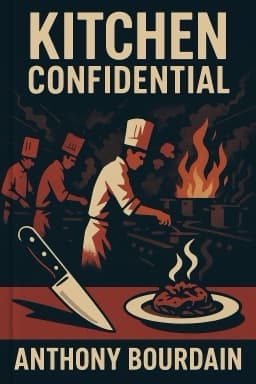
Why Chefs Swear, Smoke, and Laugh: The Secret Language of the Kitchen
Decoding the Profanity-Laced Humor and Bonds That Make Kitchens Tick

Walk into any professional kitchen, and you’ll be greeted by a barrage of rapid-fire orders, sizzling sounds, and a torrent of colorful language.
Far from being hostile, the insults and teasing are often expressions of affection and trust.
The kitchen’s language is also a reflection of its diverse staff, mixing English with French, Italian, Portuguese, and other tongues. This blend creates a patois that is both practical and symbolic—a code that outsiders rarely understand but insiders cherish.
Understanding this linguistic culture reveals the emotional landscape behind the kitchen doors. Here, camaraderie is forged through shared hardship, and loyalty runs deep. The language is a social glue, binding individuals into a family forged in fire and sweat.
For those outside the culinary world, this may seem chaotic or even abrasive. But for cooks, it is a vital part of their identity and survival.
Next time you dine out, remember the stories and the laughter behind your meal. The kitchen’s secret language is a testament to the passion and humanity that make food more than just sustenance—it makes it a shared experience.
Want to explore more insights from this book?
Read the full book summary