
The Gettier Twist: Why Justified True Belief Isn’t Enough (And What That Means for You)
How a Two-Page Paper Changed Everything We Thought We Knew About Knowing

How a Two-Page Paper Changed Everything We Thought We Knew About Knowing
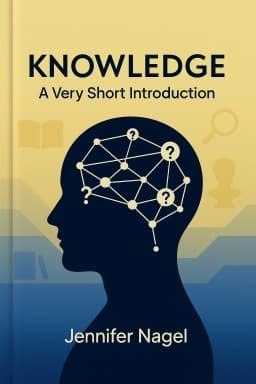
For centuries, philosophers thought they had the answer: knowledge is justified true belief. But in 1963, a two-page paper by Edmund Gettier turned this idea upside down. Jennifer Nagel’s book brings these puzzles to life, using examples that anyone can understand. Imagine believing it’s 1:17 because a clock says so—unaware that the clock stopped hours ago. By sheer luck, it really is 1:17. Do you know the time, or is your belief just a lucky guess?
Gettier cases show that even when your belief is true and justified, you might not really know. Nagel explores other cases: seeing a real barn in a county full of fake ones, or thinking there are muffins in a bakery because you see a display (not knowing the real muffins are hidden in the back). Each story reveals how luck can make the difference between knowing and merely believing.
Philosophers have tried to patch the definition of knowledge—adding rules about causality, reliability, or luck—but new cases keep popping up. Nagel explains why these puzzles matter: they affect how we judge evidence in science, trust in courtrooms, and even how we teach children to learn. The Gettier problem isn’t just a brain-teaser; it’s a reminder to stay humble and alert in our thinking.
Being aware of these puzzles helps us spot when we’re just lucky, and pushes us to seek deeper understanding. If you want to sharpen your critical thinking, Nagel’s book—and this blog—are essential reading.
In the end, the Gettier problem shows that knowledge is more mysterious—and more fascinating—than we ever imagined. 1 2 3
Want to explore more insights from this book?
Read the full book summary