
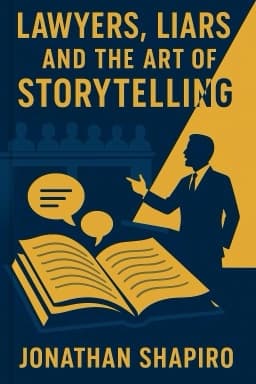
Why Most Lawyers Fail at Storytelling (And How You Can Win Every Time)
Avoid common storytelling pitfalls that undermine your legal arguments and learn strategies to captivate your audience.

The Silence That Kills Stories
Storytelling begins with listening, yet many lawyers undervalue this skill. Without truly hearing clients, witnesses, or even themselves, lawyers craft stories that feel mechanical and unconvincing.
The Emotional Disconnect
Passion fuels persuasion. Lawyers who appear indifferent or detached risk losing their audience’s attention. The book warns against using stereotypes or gimmicks, such as ethnic accents, that alienate rather than engage. Instead, genuine emotion humanizes the story and builds trust.
Lessons from Television Law Shows
Television pilots undergo rigorous focus group testing, where audience reactions dictate success or failure. Similarly, courtroom stories must resonate or risk rejection. This analogy underscores the importance of adapting narratives based on audience feedback and maintaining clarity and pace.
Balancing the Rhetorical Triangle
Failures often stem from overemphasizing one element of ethos, logos, or pathos. The book guides lawyers to balance credibility, logic, and emotion to create compelling stories that persuade without manipulation.
Practical Tips to Win
Active listening, authentic passion, and rehearsal are keys to mastery. Editing sharpens focus, while feedback refines delivery. Together, these practices elevate storytelling from a chore to an art.
Want to explore more insights from this book?
Read the full book summary