
Leadership Lies Exposed: What the Industry Doesn’t Want You to Know
A Deep Dive into the Realities Behind Leadership Advice and Why Most Programs Fail

A Deep Dive into the Realities Behind Leadership Advice and Why Most Programs Fail
Step into the world of leadership seminars and you’ll find a dazzling array of workshops, best-selling books, and charismatic speakers all promising to unlock your inner leader. The leadership industry, worth over $50 billion annually, thrives on the idea that anyone can be transformed into a visionary, ethical, and authentic leader with the right training. But what if most of what you’ve been told is not only misleading, but actually harmful to your career and your organization?
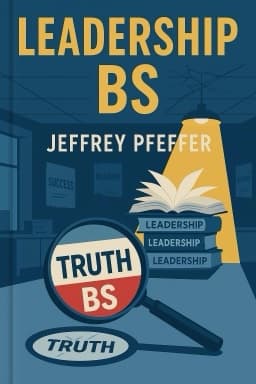
According to Stanford professor Jeffrey Pfeffer’s 'Leadership BS', the industry is built on myths, anecdotes, and wishful thinking rather than on evidence or real-world outcomes. Despite decades of investment, surveys show that less than half of employees are engaged at work, and workplace dissatisfaction remains stubbornly high. Why does all this training seem to make so little difference?
One key reason is that the leadership industry is driven by what people want to hear, not what they need to know. Feel-good stories about heroic leaders and inspirational turnarounds dominate seminars and books, but these tales are often cherry-picked and ignore the messy, unglamorous reality of organizational life. For every celebrated leader, there are countless others who failed or were quietly pushed aside. By focusing on inspiration, the industry sets up unrealistic expectations—and when real workplaces inevitably fall short, cynicism grows.
Even more troubling is the gap between the virtues we claim to value—modesty, authenticity, honesty—and the behaviors that are actually rewarded. Research shows that narcissists and self-promoters are more likely to be chosen for leadership roles, while the truly humble and collaborative are often overlooked. The push for authenticity, meanwhile, ignores the reality that effective leaders must often act, adapt, and even wear masks to meet the demands of their roles. Honesty, too, is more rare than we would like to admit; strategic deception is a common tool for those in power.
Why does this disconnect persist? The answer lies in systemic barriers: misaligned incentives, lack of professional standards, and a focus on short-term results over long-term health. Anyone can become a leadership 'expert' without real credentials, and most programs measure success by participant satisfaction, not by real improvements in culture or performance. Until organizations start demanding evidence-based practices and holding leaders accountable for real outcomes, the cycle will continue.
But there is hope. By embracing evidence-based leadership—using data, feedback, and rigorous analysis—organizations can begin to break free from the myths and build healthier, more resilient cultures. For individuals, the key is self-care and agency: managing your own career, setting boundaries, and seeking out mentors and networks. Change may be slow, but every step toward truth and transparency makes a difference.
In the end, the real lesson of 'Leadership BS' is that we must demand better—of our leaders, our organizations, and ourselves. Only then can we move beyond the lies and build workplaces that truly work for everyone.
Want to explore more insights from this book?
Read the full book summary