
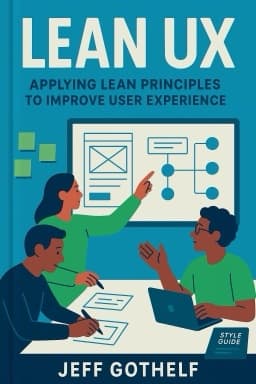
From Hypotheses to MVPs: The Lean UX Playbook for Rapid Innovation
Learn how to turn assumptions into validated products faster with Lean UX’s proven playbook.

Innovation starts with assumptions — educated guesses about what users want and how they behave. Lean UX turns these assumptions into explicit hypotheses, giving teams a clear focus for testing and learning.
Teams often begin by creating proto-personas — quick, rough sketches of user archetypes based on team knowledge and assumptions. These proto-personas guide early design and research efforts, which are refined continuously as real data comes in.
Design Studios are collaborative workshops where cross-functional teams sketch ideas, present them, and critique together. This process accelerates ideation and builds consensus, ensuring everyone shares a clear vision.
Next comes the Minimum Viable Product (MVP) — the smallest version of a product that can test a hypothesis. MVPs vary widely: from paper prototypes and clickable wireframes to landing pages or concierge MVPs where manual processes simulate automation.
For example, a startup testing a new subscription service might launch a simple landing page with a signup form to gauge interest before building any software. Or, a team might manually fulfill orders behind the scenes to validate demand before automating.
Regular user validation sessions provide the data needed to decide whether to pivot or persevere.
By mastering this playbook — from hypotheses to collaborative design to MVPs — teams can innovate faster, smarter, and with greater confidence. Stay tuned for the next blog, where we’ll explore continuous feedback and its role in sustaining Lean UX success.
Want to explore more insights from this book?
Read the full book summary