
Article from Book Summary
The Leadership Myths That Are Holding You Back—And How to Break Free
Why Leadership Is Not Just for the Chosen Few

Bookish Wanderer
April 17, 2025544 views
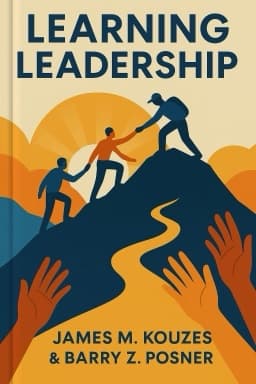
Learning Leadership: The Five Fundamentals of Becoming an Exemplary LeaderJames M. Kouzes & Barry Z. Posner
Why Leadership Is Not Just for the Chosen Few
Have you ever looked at a leader and thought, 'I could never do that'? You’re not alone. For decades, myths about leadership have held countless people back from realizing their full potential. But what if those myths were just stories—stories you could rewrite?
Let’s break down the five most common myths:
- The Talent Myth: 'Leaders are born, not made.' In reality, leadership is a set of behaviors anyone can learn and practice. Research shows that almost everyone demonstrates leadership at some point, no matter their background.
- The Position Myth: 'You need a title to lead.' Title or not, leadership is about action, not authority. Some of the most influential leaders are those who inspire from the middle or even the sidelines.
- The Strengths Myth: 'Just focus on what you’re good at.' True leaders develop new skills, face their weaknesses, and grow through challenge.
- The Self-Reliance Myth: 'Leaders go it alone.' The best leaders build support networks, seek feedback, and collaborate widely.
- The It-Comes-Naturally Myth: 'If you have to work at it, you’re not a real leader.' In fact, the most effective leaders are often the most dedicated learners and practitioners.
Consider the story of a quiet community member who organized a local food drive, despite never having led before. She didn’t have a title, but her willingness to step up, learn, and collaborate made a real difference. Or the introverted teacher who inspired students by modeling integrity and care, not by being the loudest voice in the room.
What’s stopping you from leading? Often, it’s just a story you’ve been told—or told yourself. Start by challenging those narratives. Ask yourself: Where have I led before, even in small ways? What skills can I practice today? Who can I ask for support?
Breaking free from leadership myths is the first step to unlocking your true potential. The world needs more leaders—especially those who never thought they could be one.
References: The Leadership Challenge by Kouzes & Posner, research on leadership development myths.
Want to explore more insights from this book?
Read the full book summary