
Jefferson vs. Hamilton: The Epic Battle Over America’s Economic Soul
Unpack the clash between two giants whose visions for America’s economy shaped the nation’s future and constitutional framework.

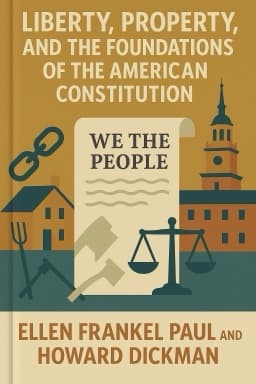
Few debates in American history are as enduring and defining as the clash between Thomas Jefferson and Alexander Hamilton. Their differing visions for the nation’s economy shaped the Constitution and continue to influence the United States today.
Jefferson championed the agrarian ideal, believing that widespread land ownership was the key to liberty and republican virtue. He feared that manufacturing and urban wage labor would create dependence, erode independence, and undermine civic virtue. His proposal to grant land to every grown man without property reflected a commitment to economic equality and personal dignity.
In contrast, Hamilton advocated for a strong national government to support commerce and industry. He pushed for a national bank, assumption of state debts, and policies to encourage manufacturing and financial innovation. Hamilton viewed commerce as the vital principle of the body politic, essential for sustaining the nation’s life and motion.
The Constitution’s commerce clause empowered the federal government to regulate trade, unify markets, and foster economic growth, reflecting Hamilton’s influence. Yet, Jefferson’s agrarian vision remained a powerful ideal, shaping political debates and land policies.
This ideological tension between agrarianism and industrial capitalism is woven into the fabric of American history, politics, and economic development.
Understanding this battle offers insight into the nation’s constitutional design and the ongoing negotiation between liberty, property, and economic progress.
Want to explore more insights from this book?
Read the full book summary