
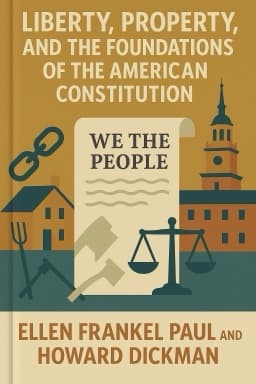
Why Property Rights Are the Unsung Heroes of American Freedom
Discover the constitutional safeguards that turned property rights into pillars of liberty and economic prosperity in the United States.

When we think of freedom in America, our minds often turn to liberty, speech, and democracy. Yet, lurking quietly behind these celebrated ideals lies a foundational pillar: property rights. Far from being a mere economic concern, property rights are deeply intertwined with the very essence of liberty and independence.
The Constitution embeds protections for property in multiple ways. The Contracts Clause prohibits states from passing laws that impair contractual obligations, ensuring that agreements are honored and economic activity can proceed with confidence. The prohibition on states issuing bills of credit prevents economic chaos and protects the value of money.
Moreover, early judicial doctrines like 'vested rights' emerged to shield property owners from arbitrary legislative interference. This doctrine ensures that once a property right is established, it cannot be taken away without due process. Such protections reflect the judiciary’s critical role as a guardian of individual rights against the potential tyranny of the majority.
The Founders recognized that without secure property rights, liberty would be fragile. Property represents the fruits of labor, the means of independence, and the foundation of personal dignity. When property is insecure, individuals become vulnerable to political whims and economic instability.
Yet, these protections have never been absolute or uncontested. Throughout American history, courts and legislatures have wrestled with balancing private property rights with the needs of the public welfare. Eminent domain, zoning laws, and environmental regulations illustrate the ongoing negotiation between individual rights and societal interests.
The Constitution’s commerce clause further empowered the federal government to regulate trade, unify markets, and foster economic growth. Alexander Hamilton’s policies, including the establishment of a national bank and assumption of state debts, laid the groundwork for a stable financial system supporting commerce and property.
Understanding these constitutional protections helps us appreciate how property rights serve as unsung heroes of American freedom, underpinning economic prosperity and safeguarding liberty.
As debates continue today over property, regulation, and economic justice, these constitutional foundations remind us of the delicate balance necessary to preserve freedom in a complex society.
Want to explore more insights from this book?
Read the full book summary