
Is Rational Selfishness Making Us Worse People?
The Surprising Psychology Behind Economic Models and Everyday Life

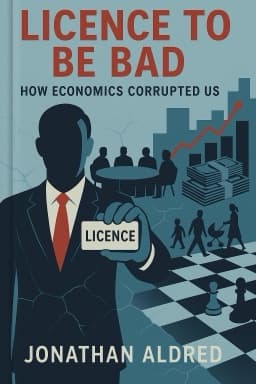
For years, economics has taught us to see ourselves as rational calculators, always seeking to maximize our own benefit. But what if this story is making us less kind, less trusting, and less happy? Jonathan Aldred’s 'Licence to be Bad' and a wave of behavioral economics research suggest that the answer is yes.
From the Prisoner’s Dilemma to public choice theory, the message is clear: expect the worst from others, and protect yourself. This logic, once confined to the classroom, now shapes business, politics, and even family life. But studies show that when we expect others to act selfishly, we become more selfish ourselves. Trust withers, cooperation collapses, and society fragments.
Yet, the tide is turning. Behavioral economists are finding that people value fairness, kindness, and meaning—often more than money. Experiments show that cooperation is possible, even in tough situations, and that new narratives can inspire better behavior. By challenging the myth of 'homo economicus', we can rediscover our capacity for empathy and build a more humane world.
This blog explores the surprising psychology behind economic models, how they shape reality, and why rewriting these narratives is essential for our collective well-being.
1
3
Want to explore more insights from this book?
Read the full book summary