
The Hidden Costs of Treating Everything as a Market
Why Not Everything Should Be For Sale

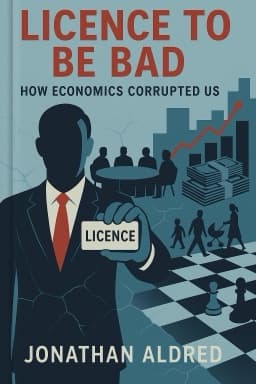
What happens when the logic of buying and selling seeps into every aspect of our lives? For decades, economists and policymakers have argued that markets are the most efficient way to allocate resources. But as Jonathan Aldred’s 'Licence to be Bad' reveals, this relentless expansion of market thinking comes with hidden costs.
Take pollution permits: what began as a clever way to reduce emissions now means that the right to pollute is just another commodity. Schools and hospitals, once public goods, are now 'products' with price tags, and students and patients are 'consumers.' The most extreme proposals even suggest buying and selling votes to make democracy more 'efficient.'
But what is lost when everything is for sale? The erosion of non-market values—trust, fairness, and community—cannot be measured in dollars. When education is a commodity, access depends on wealth, not merit. When healthcare is a market, the sick become customers, not citizens in need. And when we treat environmental protection as a tradeable asset, we risk forgetting that some things are priceless.
Yet, resistance is growing. Communities are creating local currencies and time banks to foster cooperation outside the market. Ethical investors are putting their money where their values are. These movements remind us that not everything should be for sale—and that reclaiming the language of justice and care is possible.
This post invites you to look beyond price tags and efficiency, and to imagine an economy that serves people, not the other way around.
1
3
Want to explore more insights from this book?
Read the full book summary