
Why We Need to Reclaim Our Economic Storytelling
How Changing the Conversation Can Change the World

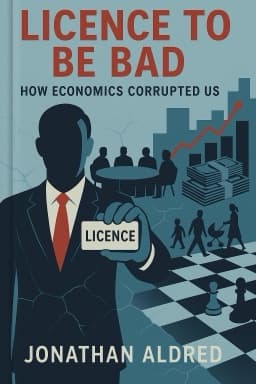
Economics isn’t just about numbers—it’s about the stories we tell. The language of modern economics has become so familiar that we barely notice its power. Words like 'efficiency', 'incentive', and 'cost' dominate public debate, squeezing out talk of justice, trust, and the common good. Jonathan Aldred’s 'Licence to be Bad' and new research in narrative economics reveal how these words shape what we see as possible—and what we overlook.
Consider healthcare: when we call it a 'cost', we see it as a burden. When we call it an 'investment', we see it as a source of future well-being. The same is true for education, the environment, and social safety nets. By reclaiming ethical language—talking about rights, stewardship, and dignity—we can change the conversation and open new possibilities for action.
This blog offers practical ways to participate in this narrative shift: reframing issues in your own life, supporting movements that use ethical language, and challenging the dominance of market logic in public debate. If we change the story, we can change the world.
For a deeper dive into the power of framing and narrative in economics, see recent academic reviews and public discussions.
1
4
Want to explore more insights from this book?
Read the full book summary