
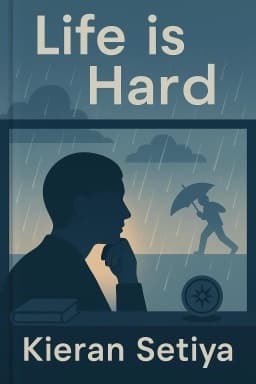
Hope in the Darkness: How to Find Light When Life Feels Overwhelming
Learn how hope can sustain you through life’s toughest moments and inspire courageous action.

When life feels overwhelming, hope can seem fragile or elusive. Yet, hope is not mere wishful thinking—it is a profound virtue that sustains us through uncertainty and adversity. Philosophy teaches us that hope combines desire with belief, holding space for possibility even in the darkest moments.
Hope is ambivalent; it coexists with fear, despair, and anger. False hope can mislead and paralyze, but true hope is balanced and realistic. It requires courage to face life’s challenges openly, embracing uncertainty rather than denying it. This courageous hope is not passive; it motivates action, resilience, and the pursuit of justice and meaning.
Poetically described as a fragile bird perched in the soul, hope sings despite storms. It invites us to walk through darkness rather than around it, finding light in the journey itself. Cultivating hope involves acknowledging hardship honestly while nurturing the belief that better days are possible.
By embracing hope, we empower ourselves to engage fully with life, to seek connection, justice, and purpose. Hope grounds us in the present and propels us toward the future, sustaining the human spirit through trials and triumphs alike.
This philosophical perspective on hope offers practical inspiration for anyone facing uncertainty, reminding us that even in darkness, the soul’s song can be heard.
Sources: Life Is Hard by Kieran Setiya, Emily Dickinson’s poetry, Philosophy A Way of Life blog.
Want to explore more insights from this book?
Read the full book summary