
Justice and You: Why Injustice Hurts Everyone and How We Can Make a Difference
Explore the moral weight of injustice and learn how your awareness and actions can help build a fairer world.

Injustice is a shadow that darkens human life, distorting opportunities and undermining well-being. It is not merely an external event but a moral wound that affects both victims and perpetrators. Understanding this dual harm is essential to building a fairer, more compassionate society.
Philosophical reflection reveals that injustice morally corrupts those who commit it, diminishing their true flourishing despite any material gain or power. This challenges cynical views that see injustice as a path to success. Moreover, many injustices are structural—embedded in social, economic, and political systems—implicating a broad range of individuals who benefit or contribute even indirectly.
Collective responsibility thus focuses on political agency and reform rather than blame. It calls us to recognize our interconnectedness and shared fate, motivating active engagement in social change. At the core of this engagement is moral attention—the deliberate act of seeing and acknowledging others’ suffering. Without this awareness, injustice remains invisible and unchallenged.
Responding to injustice is difficult and often painful, but it is essential for living well. Happiness divorced from justice is hollow, and true flourishing requires a commitment to fairness and empathy. By cultivating moral attention and collective responsibility, we can contribute to a world where dignity and opportunity are more equitably shared.
This philosophical understanding empowers each of us to make a difference, reminding us that justice is not an abstract ideal but a living practice grounded in care and courage.
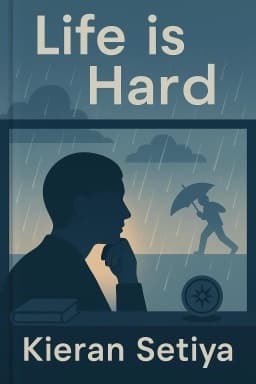
Sources: Life Is Hard by Kieran Setiya, Philosophy A Way of Life blog, contemporary social justice literature.
Want to explore more insights from this book?
Read the full book summary