
Unlocking the Secret Power of Pain and Loneliness: A Philosophical Journey to Healing
How understanding pain and loneliness through philosophy can lead to profound self-healing and renewed connections.

Pain and loneliness are among the most challenging aspects of the human experience. They often feel like enemies to be vanquished, yet philosophy reveals them as profound teachers and essential parts of life’s narrative. Understanding their nature can transform suffering into a source of self-awareness and connection.
Physical pain is more than a mere biological malfunction; it is a language through which the body communicates distress. Chronic pain, in particular, can be 'meta' pain—pain that signals damage when the pain system itself malfunctions. This creates isolation and distress but also invites deep compassion and patience. Relief from pain is subtle, often experienced as a quiet background rather than dramatic joy, teaching us the paradox of painlessness.
Loneliness, distinct from solitude, is an emotional pain caused by social disconnection. Unlike solitude, which can be chosen and restorative, loneliness harms physical health and accelerates aging. The antidote is true friendship—an unconditional, moral emotion that affirms human dignity beyond utility or admiration. Friendship heals loneliness by recognizing and valuing intrinsic worth, fostering belonging and well-being.
Grief deepens this understanding. It is nonlinear and unpredictable, coming in waves that reflect the depth of love and attachment. Mourning rituals provide essential communal support and structure, guiding us through the chaos of loss. Recognizing grief as love’s expression transforms it from a burden into a testament of enduring connection.
By embracing these insights, we learn to meet pain and loneliness not with fear or avoidance but with openness and courage. They become gateways to self-healing and authentic relationships, enriching our lives despite their challenges.
Philosophy, far from abstract, offers practical wisdom for navigating these experiences. It invites us to cultivate patience with our bodies, seek meaningful connection, honor our grief, and build friendships rooted in unconditional regard. Through this journey, we discover resilience, hope, and the power of human connection to heal even the deepest wounds.
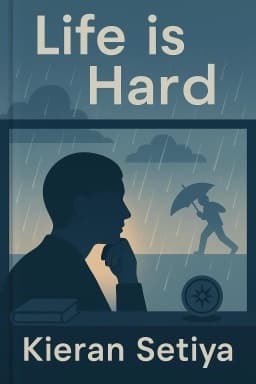
Sources: Life Is Hard by Kieran Setiya, Philosophy A Way of Life blog, Amazon reader reviews.
Want to explore more insights from this book?
Read the full book summary