
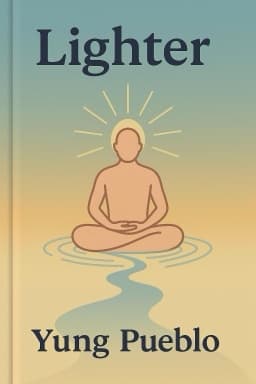
Unlocking the Power of Radical Self-Love: How Yung Pueblo’s Wisdom Can Transform Your Life
Discover the foundational secrets of self-love and healing that will change how you relate to yourself and the world.

In a world that often equates self-love with vanity or indulgence, Yung Pueblo offers a refreshing and profound perspective: true self-love is radical honesty combined with compassionate acceptance. This foundational truth sets the stage for deep healing and transformation. Imagine your mind as a garden. Without honest tending, weeds of fear, shame, and denial choke out the flowers of peace and joy. Radical honesty is the act of pulling those weeds with kindness, not harshness.
Radical honesty means facing your inner truths without judgment. It is about acknowledging the discomfort, the mistakes, and the fears that you have long avoided. This process is not about self-criticism but about gentle awareness. The moment you embrace your truth, the grip of anxiety and self-doubt begins to loosen.
Alongside honesty, compassionate acceptance allows you to hold your imperfections with kindness. This acceptance is not complacency but a loving recognition of your humanity. It creates a safe space for growth and positive habit formation. Small daily actions like mindful breathing, journaling, or affirmations build a web of resilience that supports your mental well-being.
For example, consider the simple yet powerful practice of daily meditation. Initially, it may feel challenging to sit quietly with your thoughts. But with patience and persistence, meditation becomes a refuge — a place where radical honesty and acceptance meet. This practice has been shown to reduce stress, increase emotional regulation, and enhance self-awareness, underpinning the healing journey.
Yung Pueblo’s teachings emphasize that self-love is not selfish but essential. Without it, we remain vulnerable to external validation and destructive patterns. When you cultivate radical self-love, you reclaim your power and open the door to authentic relationships and meaningful life changes.
As you embark on this journey, remember that healing is a process, not a destination. It requires patience, kindness, and daily commitment. The rewards, however, are profound: a lighter mind, a peaceful heart, and a life lived with clarity and joy.
In the next part, we will explore how healing unfolds as a courageous inward journey — releasing the past to reclaim your freedom.
Want to explore more insights from this book?
Read the full book summary