
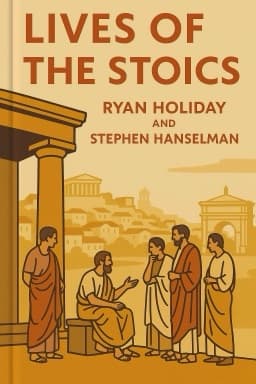
The Stoics Who Changed Rome: Philosophy in the Halls of Power
How Stoic philosophers shaped Roman governance and left a legacy of ethical leadership.

When Stoicism crossed the Mediterranean into Rome, it entered a world of political intrigue, ambition, and empire. Yet, rather than retreating into abstract thought, Stoic philosophers engaged directly with the challenges of governance and leadership.
Philosophers like the Stoic diplomat used their wisdom to advise rulers, mediate conflicts, and promote ethical governance. Their calm reason and ethical integrity earned respect in the often turbulent political arena.
Perhaps the most famous Stoic leader was Marcus Aurelius, the philosopher-king who ruled with a blend of duty, wisdom, and humility. His Meditations reveal a man striving to embody Stoic virtues amidst war, plague, and political unrest.
Stoicism’s influence on Roman leadership demonstrates the power of philosophy as a practical guide for ethical action. It challenged rulers to prioritize justice, temperance, and courage, even when faced with immense pressure.
Moreover, some Stoics actively resisted corruption and tyranny, risking exile and death to uphold their principles. Their courage under pressure exemplifies the Stoic ideal that true virtue shines brightest in adversity.
Today, the legacy of Roman Stoics continues to inspire leaders and citizens alike, reminding us that wisdom and virtue are essential to just governance and personal integrity.
By studying their lives, we gain valuable insights into how philosophy can shape not only individual character but also the fate of nations.
Want to explore more insights from this book?
Read the full book summary