
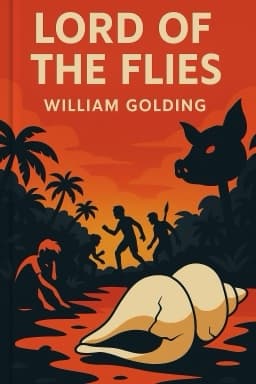
Behind the Mask: The Dark Liberation of Identity in 'Lord of the Flies'
Discover how painted faces reveal the boys’ transformation and the loss of self-control.
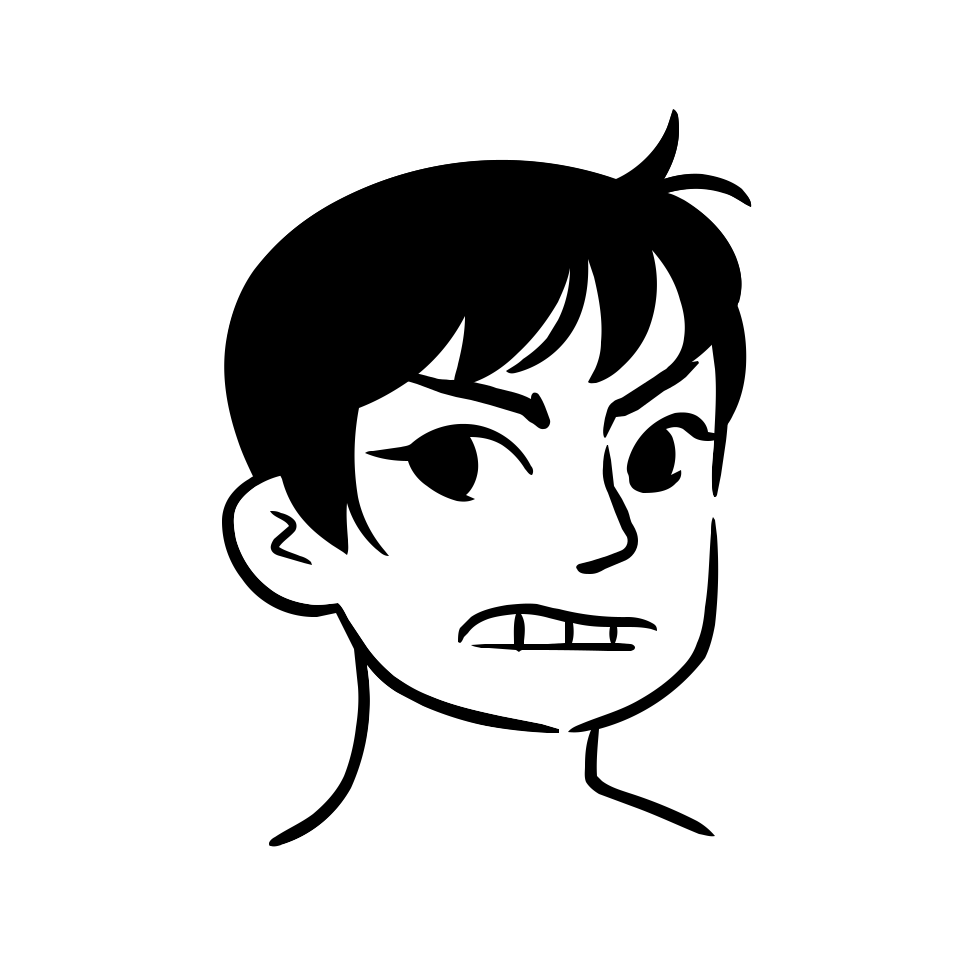
The painted faces in Lord of the Flies symbolize a profound transformation—both personal and social. When the boys smear red, white, and black paint across their faces, they create masks that conceal their identities and free them from the constraints of civilization.
This act of masking is more than mere camouflage for hunting; it is a ritual that marks the boys’ descent into savagery. The painted hunters form a tribe distinct from the rest, strengthening group identity and separating themselves from the rules and morals they once followed.
Psychologically, this phenomenon aligns with the concept of deindividuation, where anonymity in groups leads to a loss of self-awareness and a reduction in inhibitions. The masks allow the boys to act in ways they would not dare as individuals, escalating violence and cruelty.
The ritualistic dances and war cries performed while masked further embed the boys in their new savage roles, reinforcing tribal bonds and collective identity. The mask thus symbolizes both the loss of individuality and the embrace of a darker, more primal self.
Golding’s use of masks highlights the tension between society’s demands and the hidden impulses within us all. It invites readers to reflect on how identity is shaped and how easily it can be altered or abandoned under certain conditions.
This exploration of masks deepens our understanding of the novel’s themes of identity, power, and the fragility of social order. It reminds us that beneath the surface, the struggle between civilization and savagery is ongoing and complex.
Our final blogs will examine the tragic collapse of order and the bittersweet rescue that concludes the story.
References: SalemPress, CliffsNotes, SparkNotes 3 4 1
Want to explore more insights from this book?
Read the full book summary