
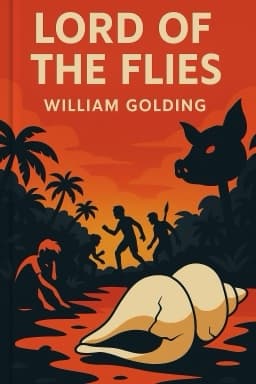
The Beast Within: How Fear Shapes the Tragedy of 'Lord of the Flies'
Unravel the psychological depths of fear and its devastating impact on the boys stranded on the island.

Fear is a primal force that can unite or destroy, and in Lord of the Flies, it becomes the catalyst for the boys’ tragic descent. The 'beast' is introduced as an ambiguous entity—initially a figment of nightmares and imagination, but it quickly grows into a symbol of the boys’ collective terror.
The littluns’ nightmares and fearful stories spread panic, illustrating how fear can be contagious and distort reality. This shared anxiety erodes trust and fuels suspicion, fracturing the group’s cohesion. Simon’s insight that "maybe it’s only us" points to a profound truth: the real danger lies within human nature, not an external creature.
The novel explores how fear can override reason and morality, leading to irrational behavior and violence. The hunters’ obsession with killing the beast reflects their attempt to conquer inner fears through external action, a psychological defense mechanism that ultimately fails.
Golding’s portrayal aligns with psychological theories about projection, group hysteria, and the shadow self—the parts of ourselves we deny or fear. The beast symbolizes these hidden fears, showing how they can consume individuals and communities if left unchecked.
Through this lens, the story becomes a cautionary tale about the power of fear to unravel society and corrupt the human soul. It challenges readers to confront their own fears and the ways these shape behavior and relationships.
Understanding the psychological roots of the beast enriches our reading of Golding’s novel, revealing its timeless relevance in exploring the human condition. Fear, when harnessed or understood, can protect, but when it rules, it destroys.
Our next blog will explore how the boys’ transformations deepen as they embrace savagery through the symbolic power of masks.
References: CollegeTransitions, SalemPress, SparkNotes 2 3 1
Want to explore more insights from this book?
Read the full book summary