
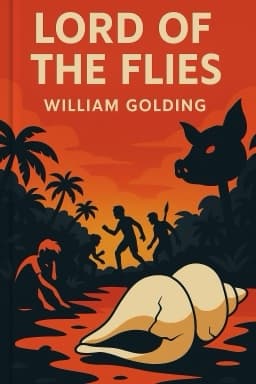
When Order Fails: The Tragic Breakdown of Society in 'Lord of the Flies'
Explore the powerful depiction of societal collapse and the fight for power on a deserted island.

At the heart of Lord of the Flies lies a gripping study of how societies form, function, and ultimately fail. The boys’ initial efforts to establish leadership and rules echo the foundational moments of any community. Ralph’s election as chief, influenced by the symbolic power of the conch and his commanding presence, highlights how authority can emerge through perception and symbols rather than pure merit.
The novel vividly portrays the tension between democratic order and authoritarian control. The painted masks and tribal rituals symbolize a shift towards savagery and group identity, where rules are replaced by fear and dominance. The conch’s declining influence parallels the erosion of social norms and respect for authority.
This breakdown mirrors sociological concepts like groupthink, social identity theory, and the fragility of social contracts. The boys’ descent from structured society into chaos offers a microcosm of how communities can unravel under stress, fear, and power struggles.
The neglect of the signal fire, a critical symbol of hope and connection to the outside world, marks a turning point. Its extinction signifies lost priorities and the triumph of immediate gratification and violence over long-term survival and cooperation.
Ultimately, the story warns of the dangers inherent when social order collapses and primal instincts dominate. It forces readers to consider how fragile civilization truly is and what it takes to maintain it.
Understanding these social dynamics enhances our appreciation of Golding’s novel as not just a story of boys on an island but a powerful allegory for human society. The lessons it imparts about leadership, fear, and the consequences of disunity remain deeply relevant.
Next, discover how fear itself becomes a force that fractures the boys’ fragile community.
References: SparkNotes, SalemPress, CliffsNotes 1 3 4
Want to explore more insights from this book?
Read the full book summary