
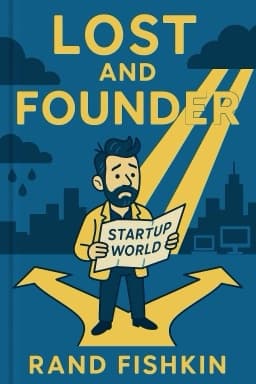
Founder Psychology: Why Self-Awareness Is the Ultimate Startup Edge
How Understanding Your Own Strengths and Weaknesses Can Make or Break Your Company

How Understanding Your Own Strengths and Weaknesses Can Make or Break Your Company
Startups are often described in terms of markets, products, and metrics. But as Rand Fishkin makes clear in 'Lost and Founder,' the real engine of any company is its founder’s mind. Fishkin’s story is a powerful reminder that your own psychology—your fears, habits, and beliefs—will shape your company as much as any business plan.
Fishkin describes how his own baggage—growing up in a family with financial struggles, wrestling with self-doubt, and fearing conflict—became part of Moz’s culture. These traits influenced hiring, communication, and even strategic decisions. The lesson? If you don’t confront your own weaknesses, they will quietly undermine your company from within. On the other hand, founders who practice self-awareness—who seek feedback, admit mistakes, and hire to fill their gaps—build stronger, more resilient teams.
Self-awareness isn’t just about fixing flaws; it’s about knowing where you shine and doubling down on those strengths. Fishkin encourages founders to keep a journal, ask for honest feedback, and never stop learning. He also warns against common psychological traps: perfectionism, impostor syndrome, and the myth of the all-powerful founder. The most successful leaders are those who build teams that complement their skills and share their values.
For anyone on the startup journey, Fishkin’s advice is clear: invest as much in your own growth as in your company’s. The healthier and more self-aware you are, the stronger your company will become.
For more on founder psychology and self-awareness, see the reviews and interviews on Jumpstart Magazine, FemaleSwitch, and Goodreads.
3
2
4
Want to explore more insights from this book?
Read the full book summary