
The Truth About Startup Funding: Is Venture Capital a Trap?
What Every Founder Needs to Know Before Signing That Term Sheet

What Every Founder Needs to Know Before Signing That Term Sheet
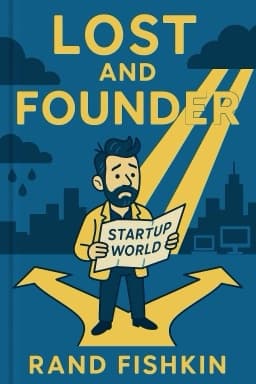
Venture capital is the fuel that powers Silicon Valley’s biggest success stories. But as Rand Fishkin reveals in 'Lost and Founder,' that fuel can also be dangerously volatile. For many founders, the promise of fast money and instant scale is irresistible—until the strings attached become clear. Fishkin’s story is a cautionary tale: after raising millions for Moz, he found himself squeezed by investor expectations, forced to prioritize growth at all costs, and ultimately at risk of losing control of the company he built.
Why is VC so risky? The answer lies in incentives. Venture capitalists operate on a 'home run or bust' mindset. They expect most of their investments to fail, so they push for rapid, exponential growth in the hope of finding a unicorn. This pressure can force founders into decisions that are good for the fund—but bad for the business. Fishkin describes sleepless nights, boardroom battles, and the creeping sense that the company’s mission was slipping away.
But VC isn’t always the wrong choice. For founders with truly scalable, high-growth business models, and a tolerance for risk, outside capital can unlock opportunities that would otherwise be impossible. The key, Fishkin argues, is alignment: only raise money if your goals, values, and business model fit the VC approach. Otherwise, consider alternatives—bootstrapping, revenue-based financing, or angel investment—that offer more control and less pressure.
Fishkin’s advice is echoed by other founders and reviewers: do your homework, read the fine print, and never trade your vision for someone else’s agenda. The best funding is the kind that helps you build the company you want, not the company others expect.
For more perspectives on startup funding, see the in-depth reviews on Blinkist, FemaleSwitch, and Goodreads.
1
2
4
Want to explore more insights from this book?
Read the full book summary