
Can One Person Save a Marriage? The Ripple Effect of Small Changes (Backed by Real Stories)
Why Hope Is Never Lost—And How to Start a New Cycle, No Matter Where You Are

Why Hope Is Never Lost—And How to Start a New Cycle, No Matter Where You Are
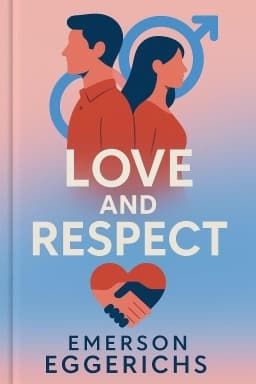
Is it really possible for just one person to turn a marriage around? According to the stories in 'Love and Respect'—and echoed by relationship experts—the answer is a resounding yes. The key is understanding the power of initiative and the ripple effect of small, consistent changes.
Many couples are stuck in a deadlock, each waiting for the other to change first. But research shows that when one partner begins to act differently—offering love or respect unconditionally—the entire dynamic often shifts. This isn’t about manipulation or martyrdom; it’s about modeling the change you want to see.
Real-life examples abound. One woman, after years of coldness, began leaving her husband notes of appreciation. At first, he was skeptical, but over time, he softened and responded with more affection. Another man, tired of feeling invisible, started greeting his wife warmly every morning. She soon began to reciprocate, and their home became more peaceful.
Why does this work? Psychologists call it 'emotional contagion'—our moods and behaviors influence those around us, often unconsciously. By choosing kindness, patience, or gratitude, you invite your partner to do the same. It doesn’t happen overnight, and setbacks are normal. But persistence pays off.
Practical tips for taking the first step:
- Focus on what you can control—your own actions and attitude
- Let go of keeping score; give love or respect as a gift, not a transaction
- Celebrate small wins and progress, not perfection
The ripple effect of small changes is real—and it starts with you. Whether your marriage is struggling or simply stuck in a rut, hope is never lost. The next step is yours to take.
Want to explore more insights from this book?
Read the full book summary