
Why 'Unconditional Respect' Is the Most Controversial—and Powerful—Marriage Advice You’ll Ever Get
Debunking Myths, Facing Fears, and Finding Freedom in Your Relationship

Debunking Myths, Facing Fears, and Finding Freedom in Your Relationship
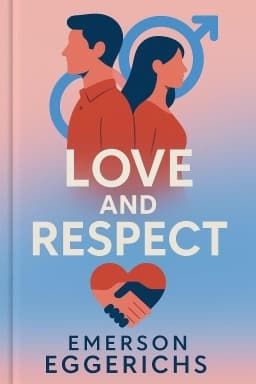
No idea in Emerson Eggerichs’ 'Love and Respect' sparks more debate than the call for wives to give unconditional respect. In a culture that prizes earned respect and mutual equality, this can sound outdated—or even dangerous. But what does unconditional respect really mean, and why does it matter?
First, let’s clear up a myth: Unconditional respect isn’t about ignoring bad behavior or tolerating abuse. It’s about choosing to see the best in your partner, believing in their potential and worth even when you’re disappointed. Just as unconditional love is a gift, not a reward, so is respect. This principle is rooted in biblical teaching but confirmed by modern psychology—men who feel respected are more likely to respond with affection, responsibility, and care.
Many women struggle with this idea. They’re told respect must be earned, and that offering it unconditionally means giving up their power. The book addresses these concerns head-on, sharing stories of real couples who saw dramatic change when respect was offered as a gift, not a prize. One wife, after years of criticism, wrote her husband a letter listing the things she admired about him. The shift in their relationship was immediate and profound.
Critics of the book warn against using respect as a tool for manipulation or as a cover for harmful behavior. The key, they argue, is mutual goodwill and safety. Unconditional respect does not mean silence in the face of wrong; it means confronting issues with dignity, empathy, and hope for change.
Practical ways to show respect include:
- Thanking your partner for their efforts, even if you wish they’d do more
- Listening without interrupting or correcting
- Affirming their strengths, especially in front of others
- Supporting their decisions, or expressing disagreement kindly
Unconditional respect is challenging, but it’s also powerful. It can break years of deadlock and inspire your partner to rise to their best self. Like unconditional love, it’s not about what your partner deserves, but about who you choose to be.
Want to explore more insights from this book?
Read the full book summary