
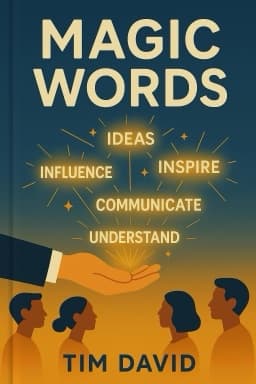
How Words Heal: Communication Strategies for Resilience and Well-Being
Practical Ways to Use Language for Self-Healing, Connection, and Growth

Practical Ways to Use Language for Self-Healing, Connection, and Growth
Words are powerful medicine. They can wound or heal, isolate or connect, weaken or strengthen. The book 'Magic Words' and recent psychology research show how language is a tool for resilience and well-being.
Reframing Self-Talk
Negative self-talk can trap us in cycles of anxiety and self-doubt. By consciously replacing criticism with affirming words—'I can try,' 'I am learning,' 'If I stumble, I grow'—you rewire your brain for resilience.
Healing Conversations
In conflict, using 'I feel' statements and reframing complaints with 'if' can transform blame into problem-solving. Expressing gratitude and asking for help build trust and community.
Mindful Communication
Practicing mindful listening and using names fosters presence and connection. The right words at the right time can lift spirits and heal wounds.
Step-by-Step Strategies
- Start your day with a positive affirmation.
- In tough conversations, use 'if' to explore solutions.
- Thank someone specifically and personally each day.
- Ask for help when needed—it builds community.
- Use names to show respect and care.
Language is your daily medicine. Use it to heal, connect, and grow.
References: Magic Words Book Summary, SoBrief Influence Books
Want to explore more insights from this book?
Read the full book summary