
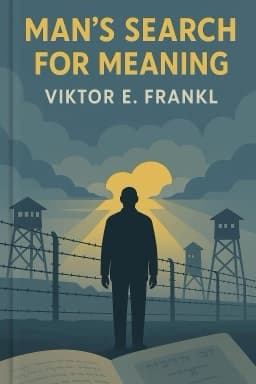
The Hidden Psychological Battles After Liberation: What Survivors Teach Us About Healing
Beyond freedom: understanding the emotional scars and the journey to reclaim joy after trauma.

Freedom from physical imprisonment marks a crucial milestone, but for survivors of extreme trauma, liberation often ushers in a new set of psychological challenges. Viktor Frankl’s reflections on post-liberation experiences reveal the complexity of healing beyond captivity.
Many survivors experience depersonalization—a sense of unreality and detachment from themselves and the world. This psychological state complicates their adjustment to freedom, making it difficult to reconnect with life. Additionally, feelings of bitterness and disillusionment often arise, fueled by the loss of loved ones and the perceived indifference of society.
Frankl emphasizes that healing is an ongoing process, requiring survivors to reclaim their humanity through meaningful relationships, purposeful work, and spiritual renewal. This journey is neither swift nor linear but illuminated by resilience and hope.
Understanding these hidden battles enriches our appreciation of trauma recovery and underscores the need for compassionate support. Survivors teach us that liberation is not merely physical but an inner restoration of joy, dignity, and meaning.
Sources: PsychiatryOnline article on survivor psychology, ResearchGate analysis of trauma recovery, PMC article on post-traumatic challenges 2 1 4
Want to explore more insights from this book?
Read the full book summary